Before insurance drops you over outdated electrical
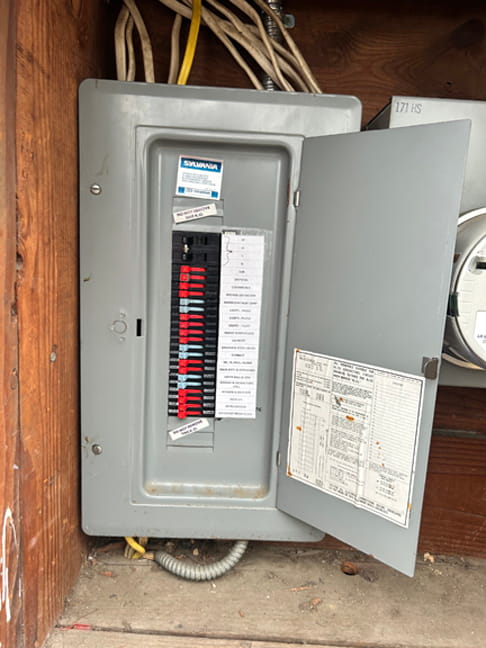
I get this type of call all the time now. What usually happens is a homeowner gets a letter from their insurance company saying the electrical panel has to be replaced or the policy will be canceled. Usually there's a deadline, sometimes 40 days, sometimes less. The panel brand is on a list the insurance company keeps, and they won't budge on it.
The brands I see on those letters are Federal Pacific, Zinsco, Sylvania, Challenger, and Bryant. If your Berkeley home was built or last upgraded between the 1950s and the 1970s, there's a decent chance one of these panel brands was originally installed.
Here's how your homeowners insurance carrier knows what type of panel you have: When you originally bought your home, a home inspection report was prepared. The inspector wrote down the panel brand. That report is on file, and the insurers are reviewing those records and flagging the brands on their list. Almost every one of these letters also requests a current photo of your panel. If you send me a photo of your current main panel, I can advise you on what to do next.
Why Insurance Flags These Old Panels
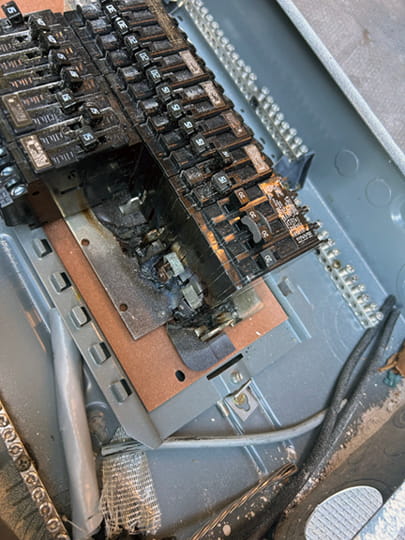
Insurance companies have had major payouts due to these poorly designed electrical panels. These older panels have real problems. The breakers inside can fail to trip when a circuit overloads. A breaker that doesn't trip means the wire keeps heating until something burns. I've had many instances where, after opening up the panels and popping out a breaker, the first thing I see is a scorched bus bar. The homeowner had no idea, aside from an occasional faint burning smell, but the panel looked fine from the outside. In my opinion, the most dangerous panels are the Bryant panels, which worry me most because I've seen those breakers smolder instead of trip, and that's exactly the failure the insurance companies are afraid of.
So when the letter says fire risk, that part is true. The panel worked fine for 50 years right up until the day it didn't.
The permit is not the problem. PG&E is.
Here's where getting the job signed off extends the timeline. Pulling the permit is the easy part. I do it on every panel job, and the city side moves along smoothly. The bottleneck is PG&E and its timeline.
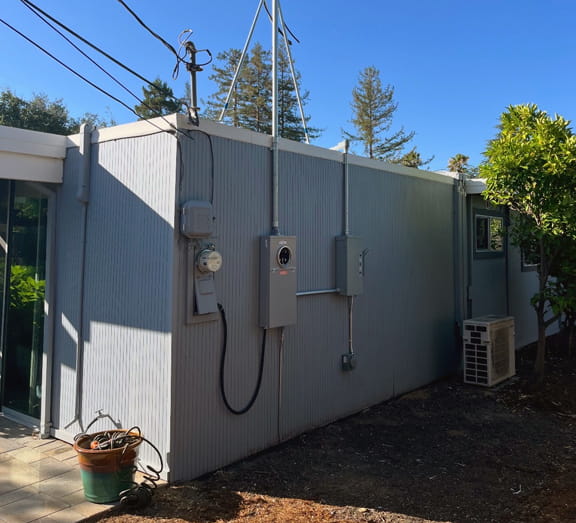
A main panel replacement means PG&E has to disconnect and reconnect their service, and their service planning department is backed up badly. Three months is the realistic minimum on a straightforward job. I've done overhead service upgrades that took five and six months. I had one job in the Oakland hills, a bigger upgrade with underground service, that took a year and a half. On another very straightforward job, I logged about 30 hours just dealing with PG&E paperwork and meetings, including site visits where their rep showed up, looked around, and nothing moved forward.
I'm telling you this because your insurance deadline and PG&E's schedule exist in two different worlds, and you need to know that to come up with a workable plan.
Your new panel might not go back in the same spot
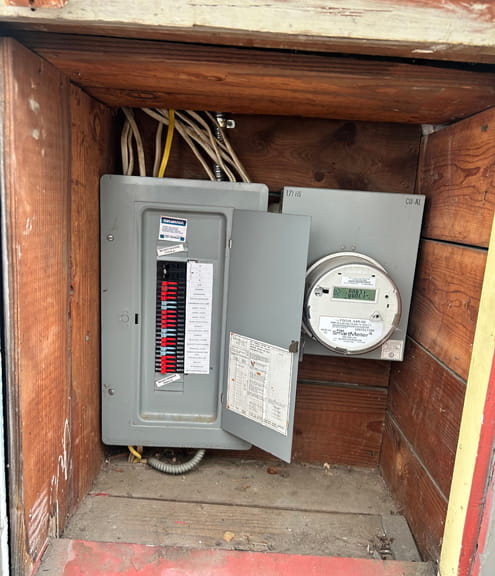
This one surprises people. You'd think a replacement means the old panel comes off the wall and the new one goes in its place. A lot of the time it can't.
Today's requirements are stricter than when your panel went in. If the panel sits too close to your gas meter, it has to move. The gas meter never moves; the electrical panel does. PG&E also wants clear access and a flat landing area where their tech can stand and work. Panels tucked behind siding doors or halfway down a slope usually have to come out to a better location.
Since moving the panel will change the scope of the job, I need to inspect all panels, subpanels, and conduit in person before I quote anything. For example, I need to see where the panel sits, where the gas meter is, and how the service comes in from the street. That 20 minutes on site is the difference between a real number and a guess.
What to do about the deadline
We can get the actual panel work done inside the 30 or 40 days the insurance company gives you. The problem is the permit process. Pulling the permit and getting through PG&E is the part that extends the job past the deadline, and that part isn't in either your control or mine.
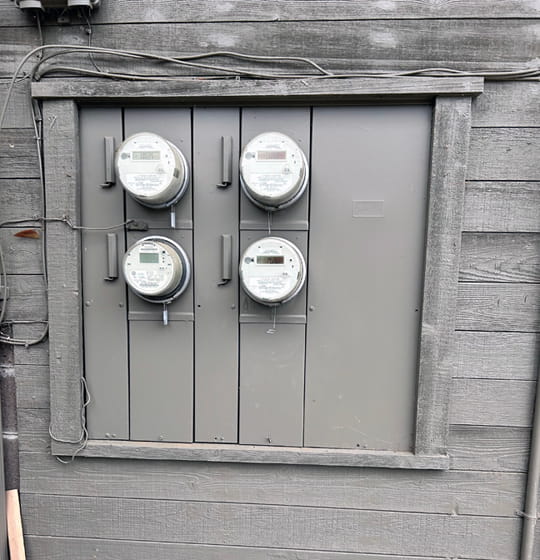
Here's what's worked for us before: Have your insurance broker go back to the company and show our timeline for when the work will be completed, demonstrating a good-faith effort. You've picked a licensed contractor, the permit application is in, and the job is scheduled. Most insurers will extend the deadline when they see the process is actually moving.
Our recommended process goes like this: get an electrician out to look at the panel, nail down the scope and the quote, start the permit process, then have your broker take it back to the insurance company.
If you're in Berkeley and one of these letters showed up
I'm Matt, owner of East Bay Electrician Services. Panel replacements in older homes are a big part of what we do, and I've been through the PG&E process more times than I want to count. I look at every job myself before we quote it.
If you need a Berkeley electrician to look at your panel, call me at (510) 467-0856 and tell me what the letter says. I'll tell you what you're actually looking at, including the timeline, before you commit to anything. You can also read more about our electrical panel replacement work.
📞 Call (510) 467-0856